Book Festival

Title of the Project

Book Festival

Organisation

Eurocentrum Karlovy Vary

WEBSITE

https://tvorimevropu.cz/

Project link

Project dates

October 31, 2023

October 31, 2023

What is it about?

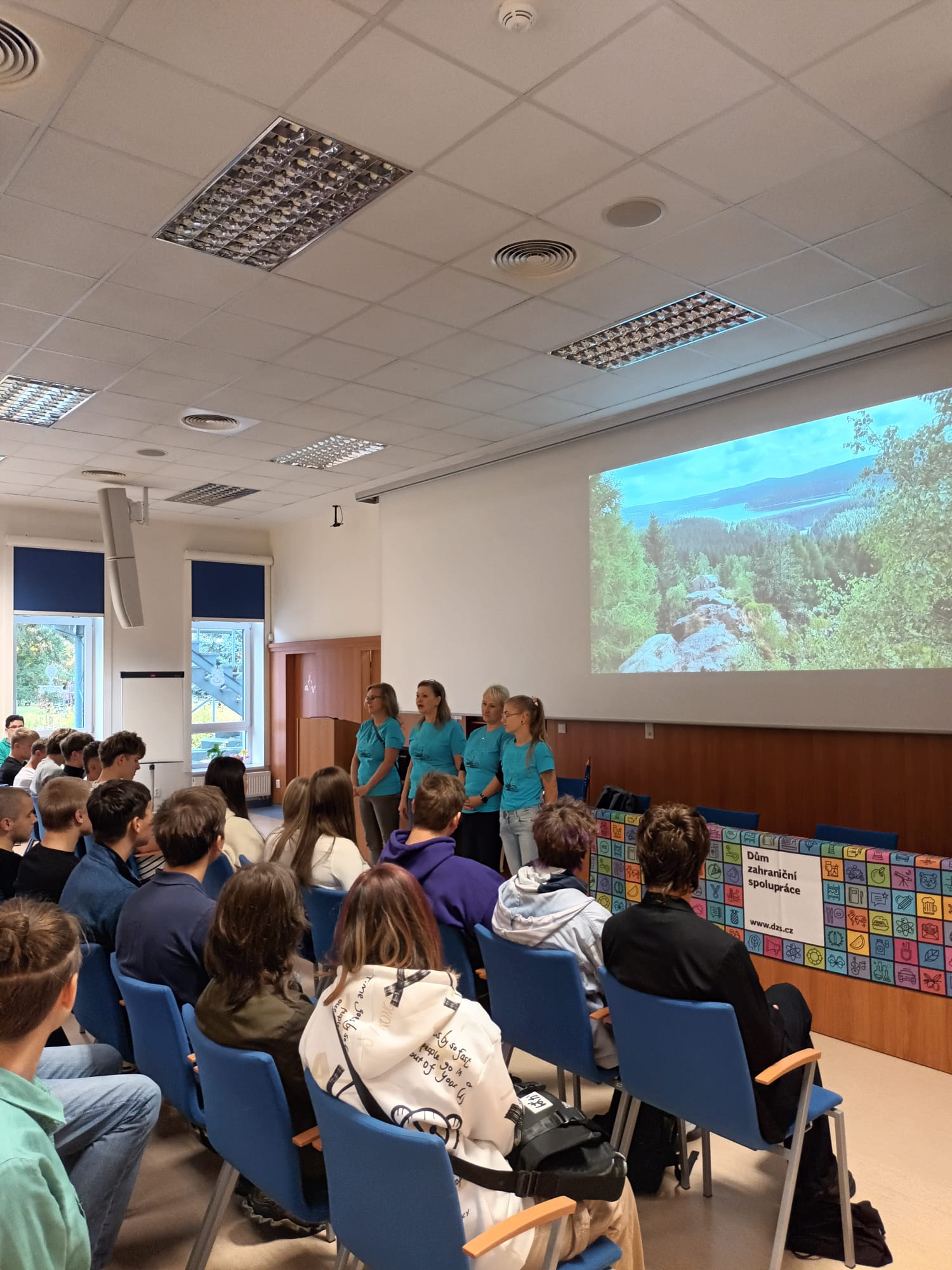
In October, the 3rd annual Book Festival took place, organised by Eurocentrum Karlovy Vary in cooperation with the Karlovy Vary Library. This cultural event offered a diverse programme focused on literature, history, and education. The festival was divided into two parts, with the morning programme primarily intended for schools.

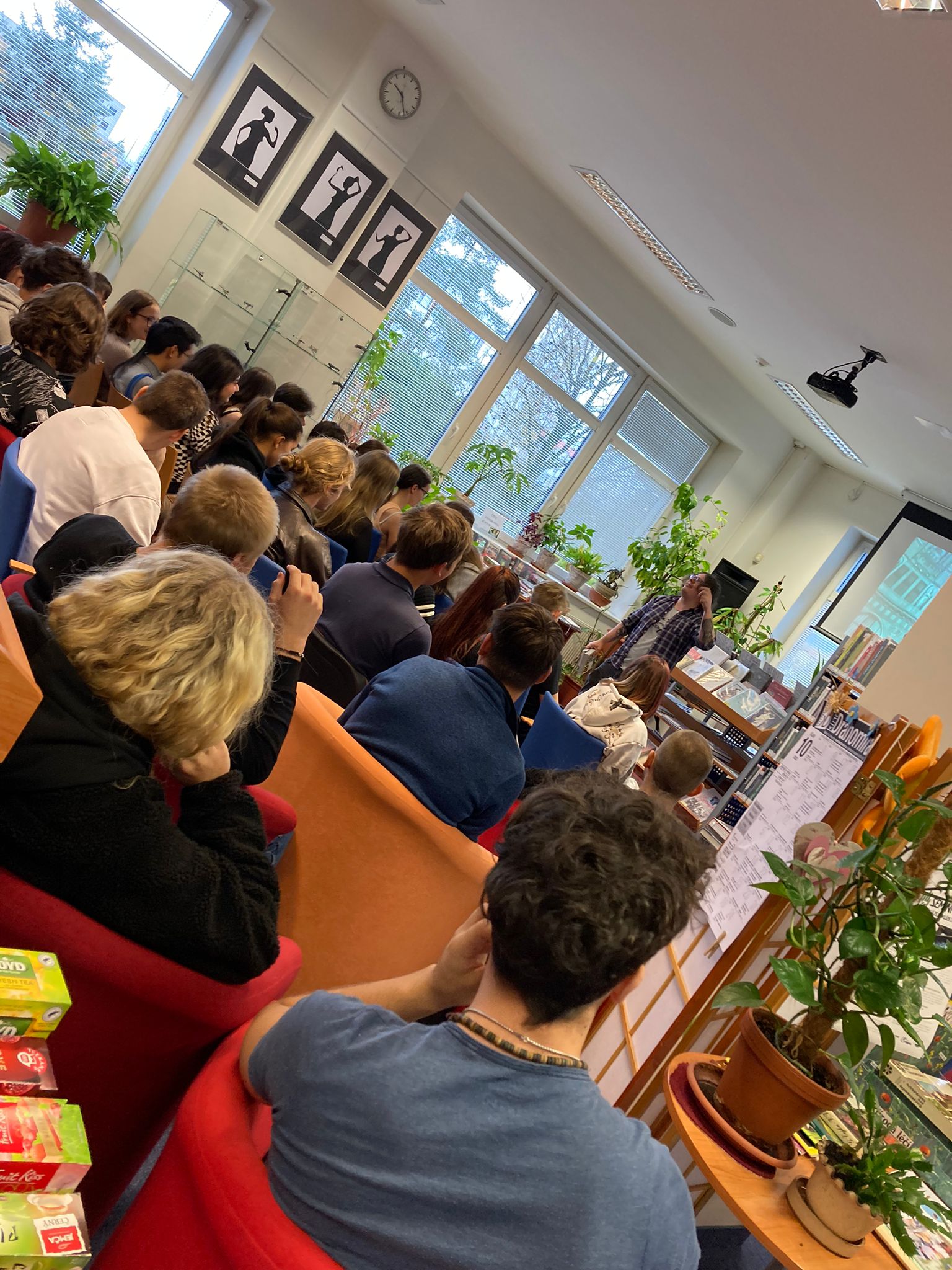
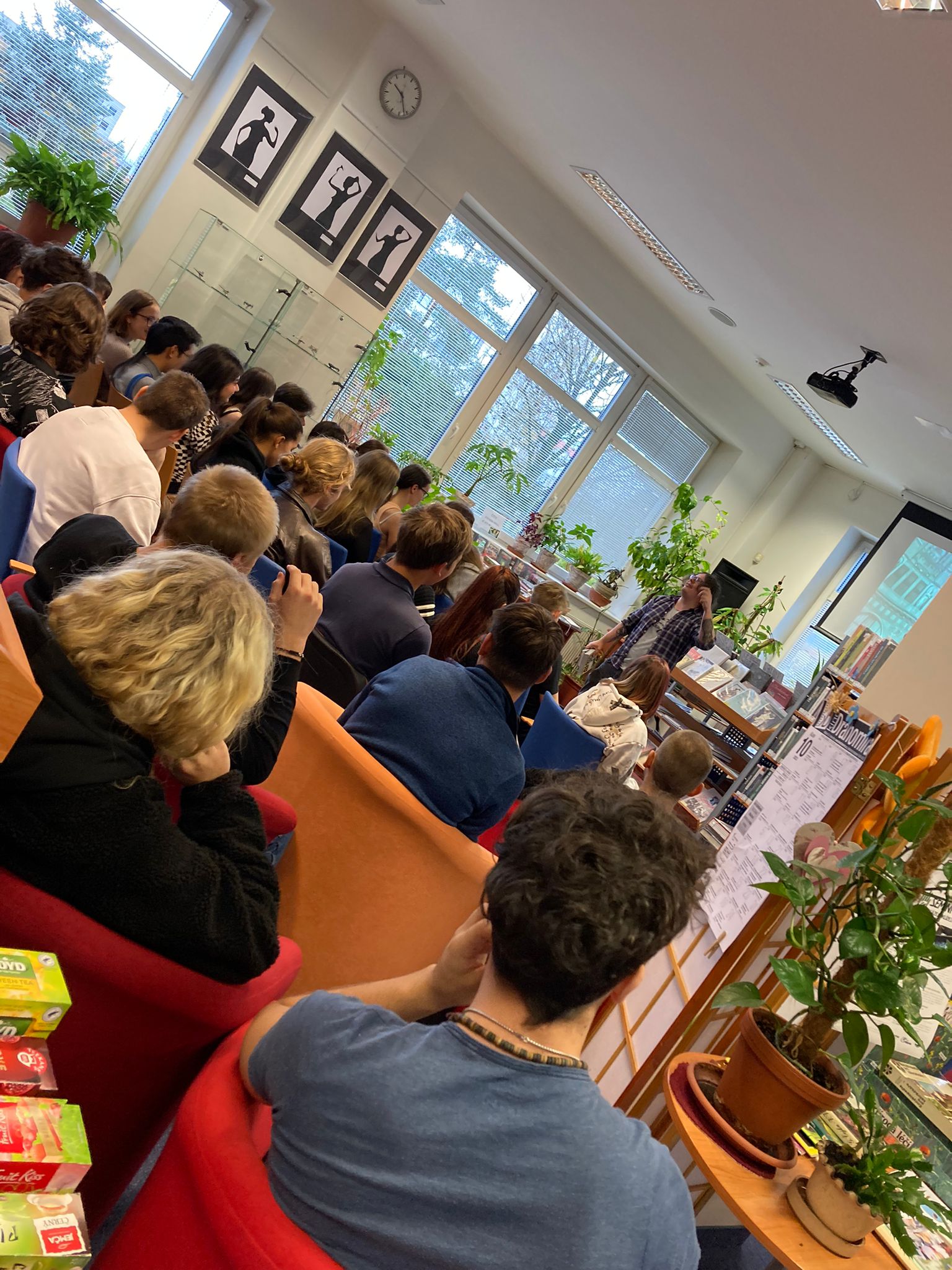
Students had the opportunity to attend an inspiring lecture and subsequent discussion with writer Štěpán Javůrek, author of Sudecký dům and Chaloupky, who explores Czech-German relations and the post-war history of the Sudetenland in his works. His storytelling introduced students to the complex history of the region and demonstrated how historical events can influence contemporary society.

Another highlight was the performance by Vladimír Kalný and Teodor Kravál, who presented students with poems and excerpts from Czech-German literature. Their presentation emphasised the significance of literature as a means of cultural exchange and mutual understanding between nations.

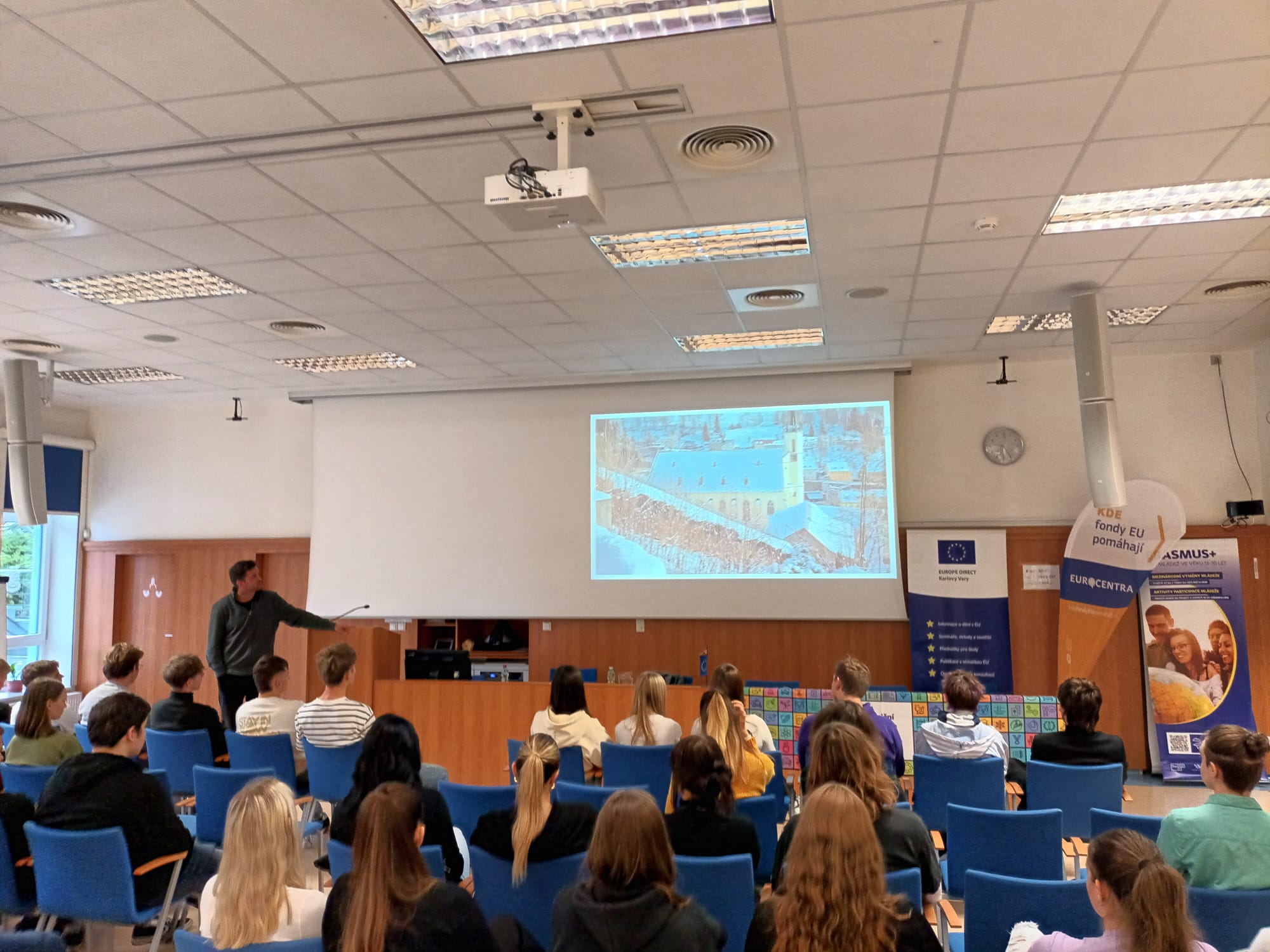
Students could also participate in thematic quizzes focused on Europe, testing their knowledge of these regions and their cultural and historical heritage. Additionally, they had the chance to engage in lectures and competitions related to Erasmus+, Time to Move, and Discover EU—programmes that promote international education, youth mobility, and travel across Europe.

The afternoon part of the festival was open to the general public and featured an eco-workshop, which attracted great interest from visitors. Participants could try creative recycling by transforming old books into unique decorations or small figurines.

The programme also included a lecture by Eurodesk, focusing on activities linked to the Time to Move and Discover EU initiatives. Visitors learned about opportunities for young people to travel, study, or volunteer abroad and participate in international exchange programmes. The lecture was complemented by informational videos and the distribution of promotional materials that provided further insights into these programmes and their benefits.
 

How is this project relevant to the specific category?

The Book Festival invited interesting personalities, including writer Štěpán Javůrek, slam poet, and writer Teodor Kravál, and writer Vladimír Kalný. Through their performances and lectures, they not only provided expert insights into Czech-German relations and literature but also engaged the audience in an entertaining way. Each of these guests approached the topics in an original manner, enriching the programme with various perspectives and approaches to literature and art. Special rest zones were also prepared for the students, which served not only as places for relaxation but also as spaces for competitions and creative activities. In these zones, participants had the opportunity to take part in quizzes focused on Europe and culture and engage in various workshops, including an eco-workshop, where they could create their own decorations from recycled materials. Overall, the programme was highly creative, inspiring, and interesting, not only due to the expert presentations but also thanks to the students’ involvement in interactive and creative activities. The Book Festival successfully combined educational, cultural, and ecological elements, contributing to the creation of a unique atmosphere and providing visitors with an unforgettable experience.

What was the impact of the project?

Students were introduced to the culture and literature of Germany, their neighbouring country. The renowned writer Štěpán Javůrek, who explores Czech-German relations and the post-war history of the Sudetenland in his books, shared the stories he captured in his works. Students learned that the coexistence of these nations was not always smooth and that today’s opportunities for freedom and travel are exceptional. As part of the Time to Move campaign, we organised a lecture aimed at presenting opportunities for young people, particularly those offered by the European Solidarity Corps and the Erasmus+ programmes, and motivating them to engage in such activities.

Did the project have any green focus?

In the afternoon session, an eco-workshop took place, where old discarded books were used to create various decorations and small figurines. No plastic dishes were used during the event, and all materials and waste were properly sorted into recycling containers.

How did you ensure Eurodesk's visibility in your project?

Project highlights

Your project on video

https://www.facebook.com/reel/1140080300461803